The Science Behind Malleal
Precision engineering meets biomechanics. Explore the technology powering each of our products.
Cartilift is a Soft-Tissue Manipulator. It cannot change bone (Hard Tissue), but it can change almost every angle that depends on cartilage or skin tension.
The "Prime Movers"
Direct Manipulation — These are the variables Cartilift is physically designed to alter. Our AI weights these metrics the highest.
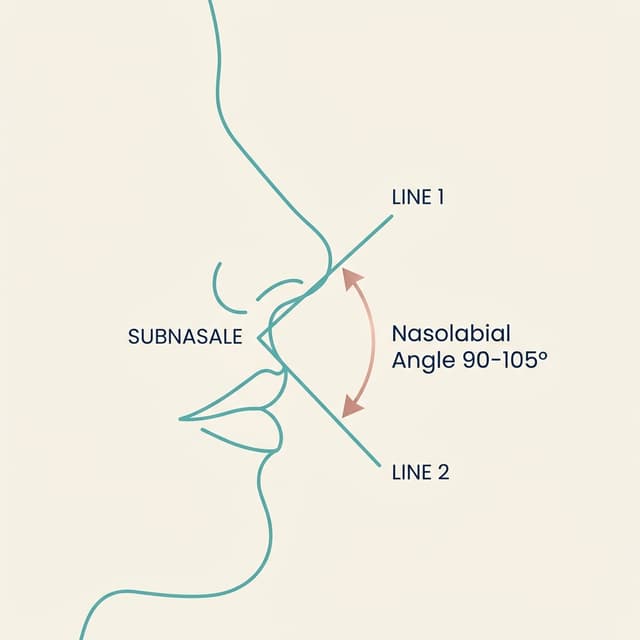
Nasolabial Angle (NLA)
The angle formed where the columella (nose base) meets the upper lip. Measured between a line from the tip to subnasale and a line from the upper lip to the columella.
Primary Lever. By exerting upward force on the dome cartilages, Cartilift rotates the tip upwards, directly increasing this angle. This fixes "droopy" noses.
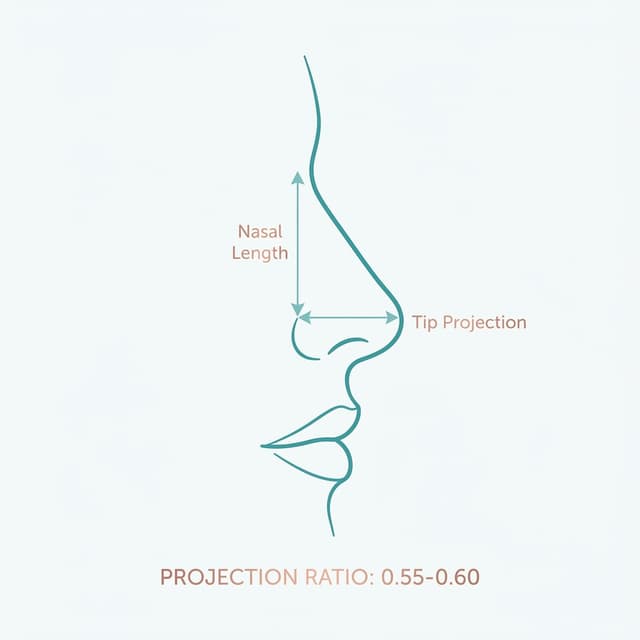
Tip Projection (Goode's Ratio)
The distance the tip sticks out from the face, relative to nasal length.
Primary Lever. The device acts as a cantilever. Increasing the depth of the internal ribs pushes the tip outward, increasing projection without surgery.
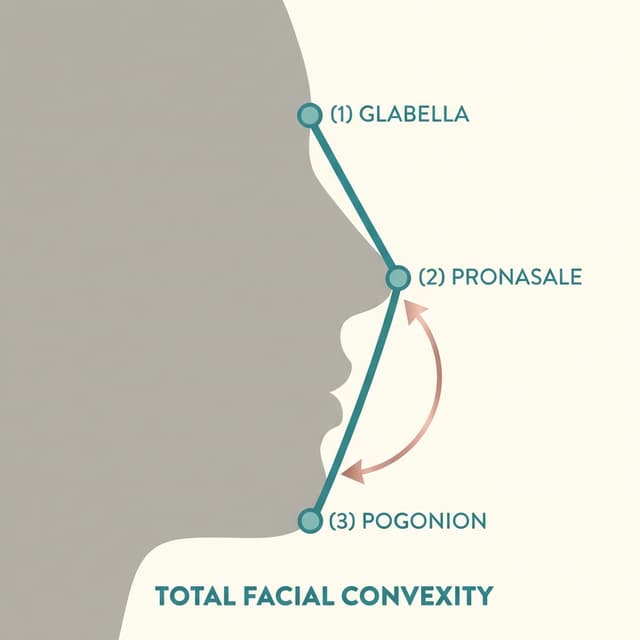
Total Facial Convexity
The angle formed by Glabella (forehead) → Pronasale (nasal tip) → Pogonion (chin). Includes nasal projection in overall profile.
Tip Influence. By increasing tip projection, Cartilift directly changes this angle, improving the overall profile balance between forehead, nose, and chin.
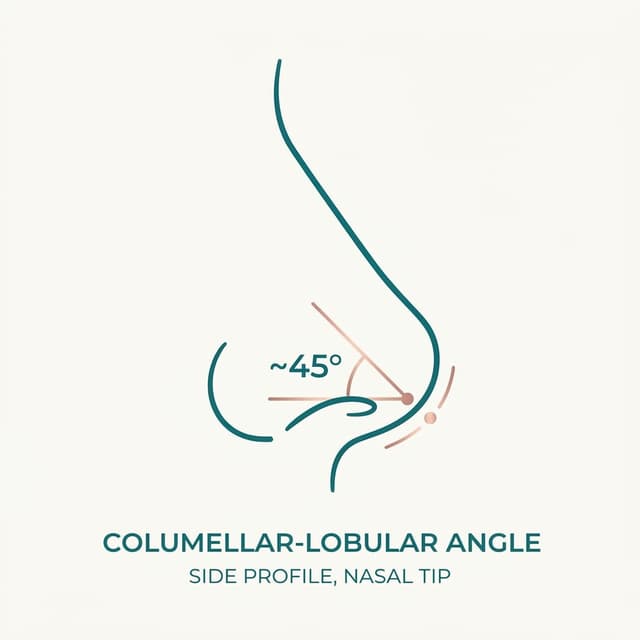
Columellar-Lobular Angle
The angle between the columella and the actual tip of the nose (the infratip lobule).
Definition Tool. A "break" here defines a refined tip vs. a round blob. Cartilift's rigid tip geometry presses against the mucosa to create a sharper transition point.
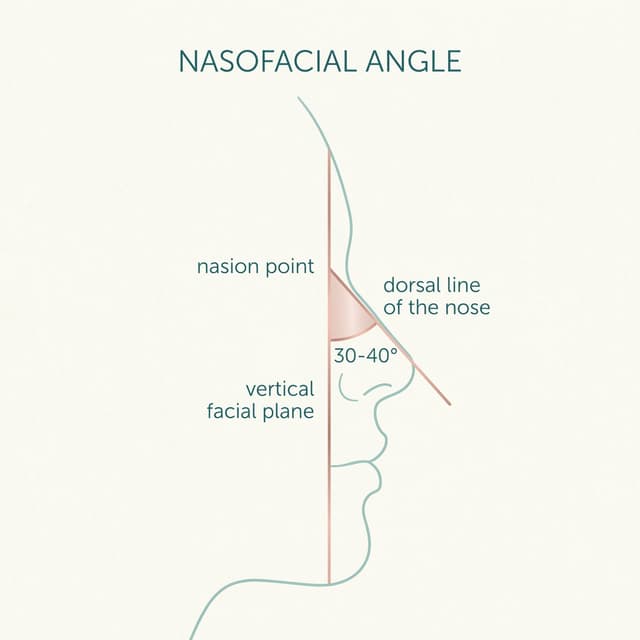
Nasofacial Angle
The angle of the dorsal line relative to the plane of the face.
Direct Lift. By lifting the soft tissue of the bridge (dorsum), Cartilift steepens this angle, making the nose appear stronger and less flat.
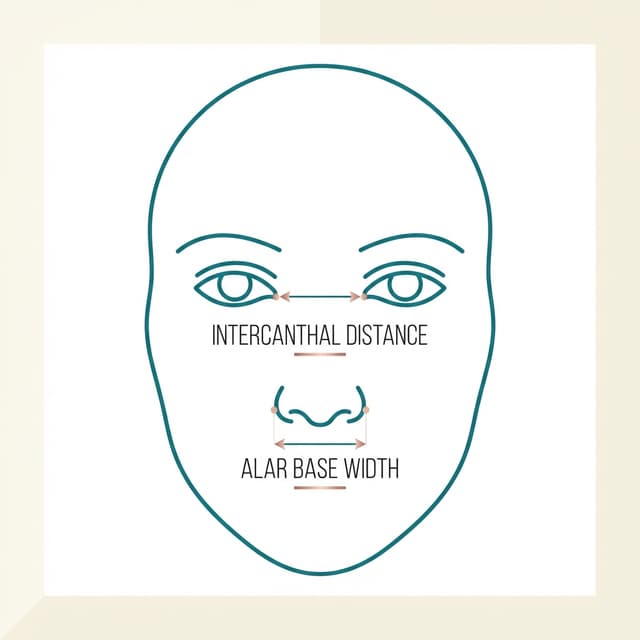
Alar Base Width
The width of the nostrils at their widest point.
Dynamic Narrowing. When you push the tip forward (projection), the skin stretches tight. This naturally pulls the nostrils inward, narrowing a wide nose.
The "Illusionists"
Visual Correction — Cartilift cannot physically move these anatomical points, but it changes how the eye perceives them.
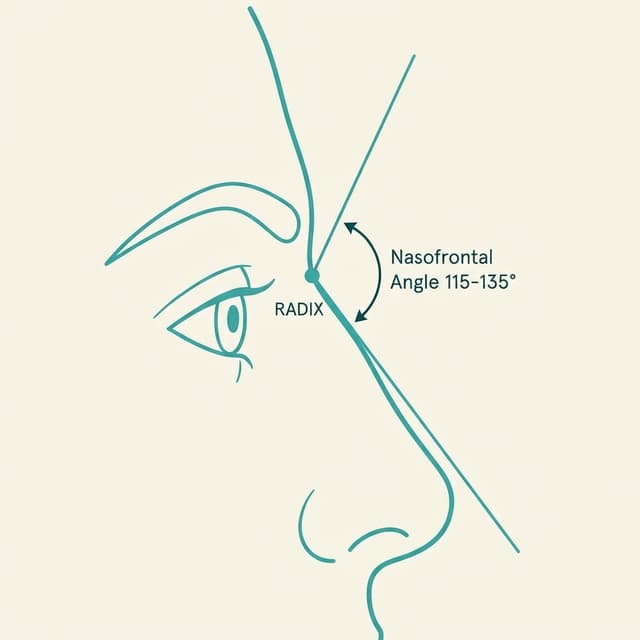
Nasofrontal Angle (Radix)
The dip where the forehead meets the nose.
Too Deep/Low: Makes nose look short. Too High: "Avatar" look.
Volume Addition. Cartilift cannot lower a high radix (bone). But for a low radix (flat bridge), the device can extend upward to add volume under the skin, filling the dip.
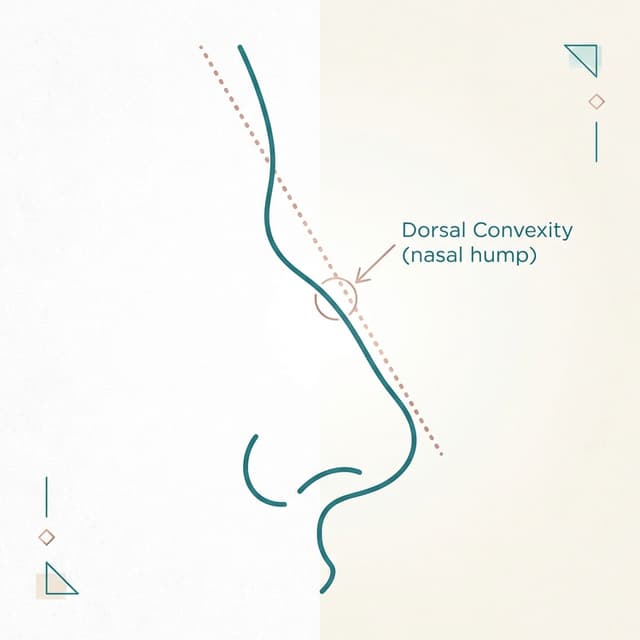
Dorsal Convexity (The Hump)
The bump on the bridge (usually bone/cartilage junction).
Visible Hump: Breaks the straight line profile.
The "Camouflage" Effect. We cannot grind the bone down. However, by lifting the tip and filling the radix, we align the profile. The hump "disappears" because the rest of the nose rises to meet it.
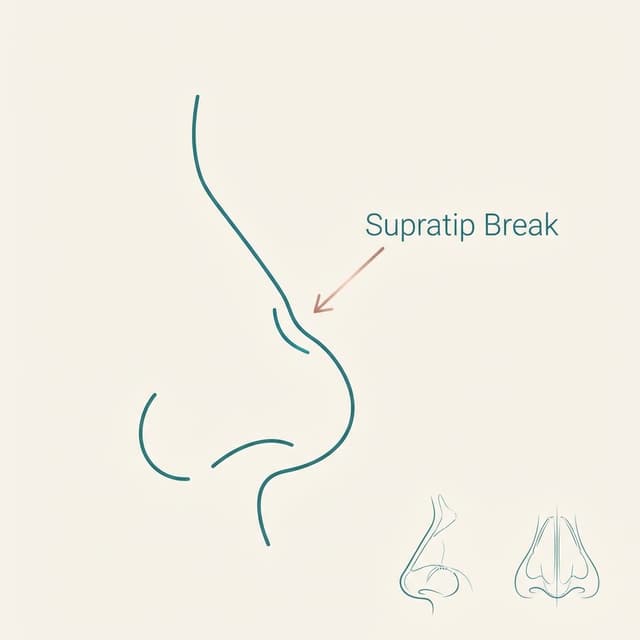
Supratip Break
A slight dip just above the tip.
Pollybeak Deformity: No dip; the area is full and round.
Forced Definition. By supporting the tip strongly while leaving the supratip area slightly less supported, the device creates a "step-off," restoring this delicate curve.
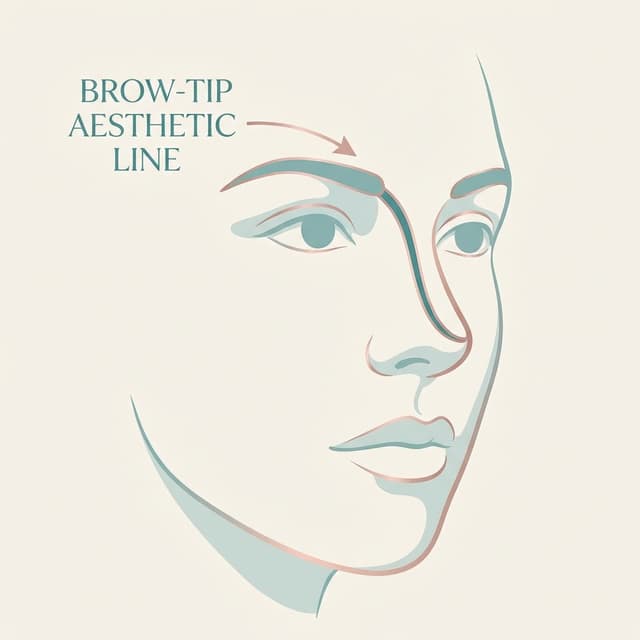
Brow-Tip Aesthetic Line
A smooth, curvilinear line from the eyebrow to the tip.
Broken Line: Deviated septum or crooked nose.
Soft Straightening. The symmetrical scaffold forces the skin envelope into a straighter alignment, hiding the asymmetry.
The "Immovables"
Hardware Constraints — Our AI knows what it cannot fix to properly manage your expectations.
Bony Base Width
The width of the actual nasal bones near the eyes.
Why: Bone. Cartilift sits below the bones. It cannot narrow the upper third of the nose.
Nasal Length (Nasion position)
The vertical start point of the nose.
Why: Fixed Anatomy. We cannot change where the nose starts on the skull.
Skin Thickness
The quality of the user's skin.
Why: Biological Constraint. Thick, sebaceous skin resists definition. Our AI calculates "Maximum Achievable Definition" based on skin type.
Reference Standards
Cephalometric baselines — The standard measurements used to analyze facial structure.
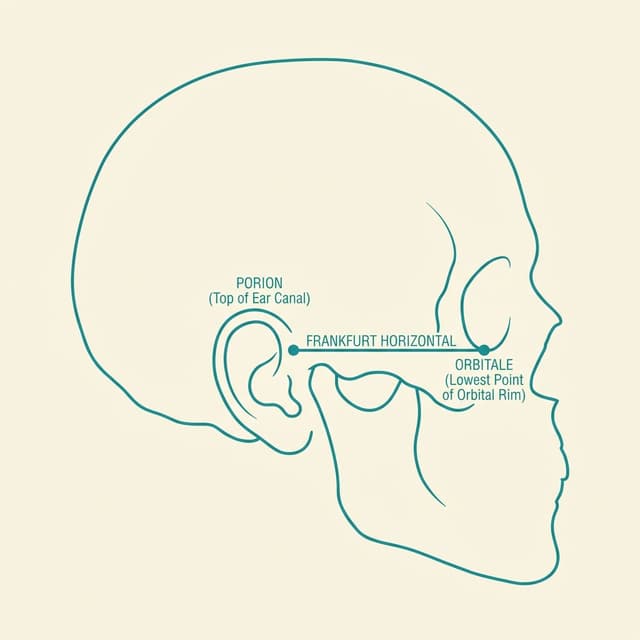
Frankfurt Horizontal
The horizontal reference plane from Porion (ear canal) to Orbitale (eye socket). This is the baseline for all cephalometric measurements.
Establishes a standardized head position for consistent analysis.
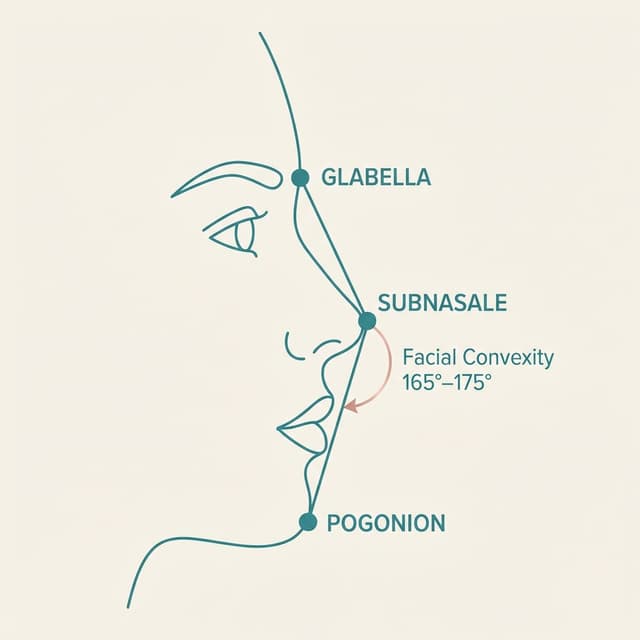
Facial Convexity
The angle formed by Glabella → Subnasale → Pogonion. Measures the relationship between forehead, midface, and chin WITHOUT including the nose tip.
Baseline for facial balance assessment. Cartilift does not directly affect this angle since it uses Subnasale (base of nose), not the tip.
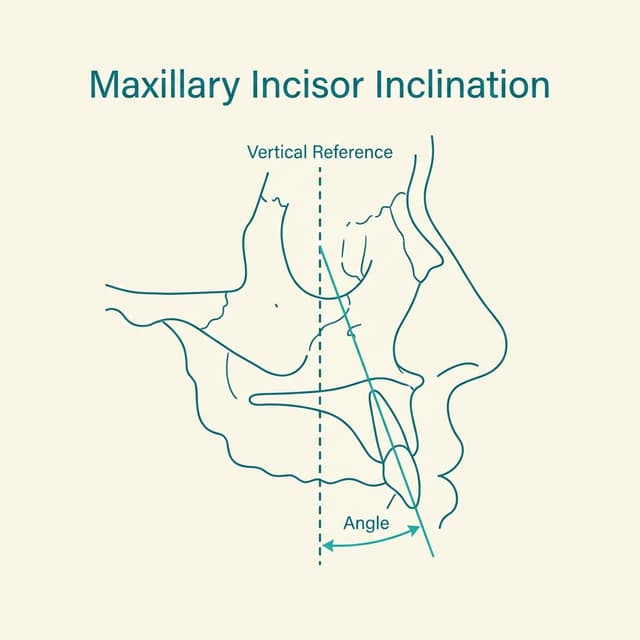
Maxillary Incisor Inclination
The angle of the upper front teeth relative to the skull base.
Affects lip position and overall profile appearance. Outside Cartilift's scope.
See What's Possible For You
Our AI analyzes your unique facial metrics to show you exactly what Cartilift can achieve.
Start Your Analysis